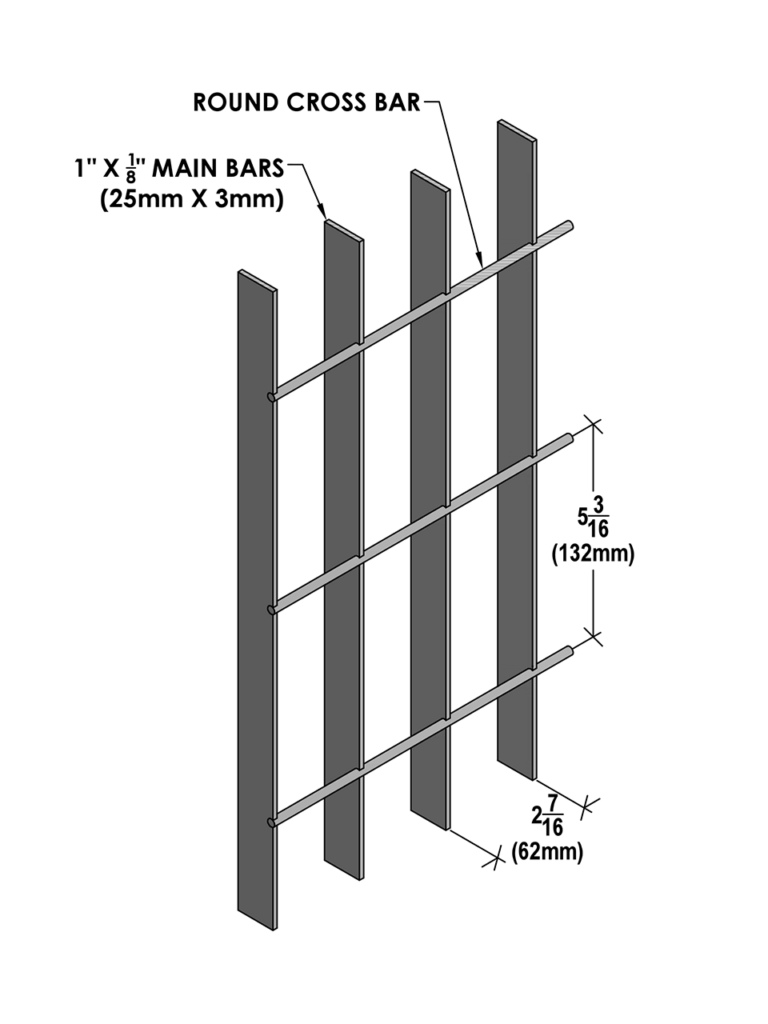
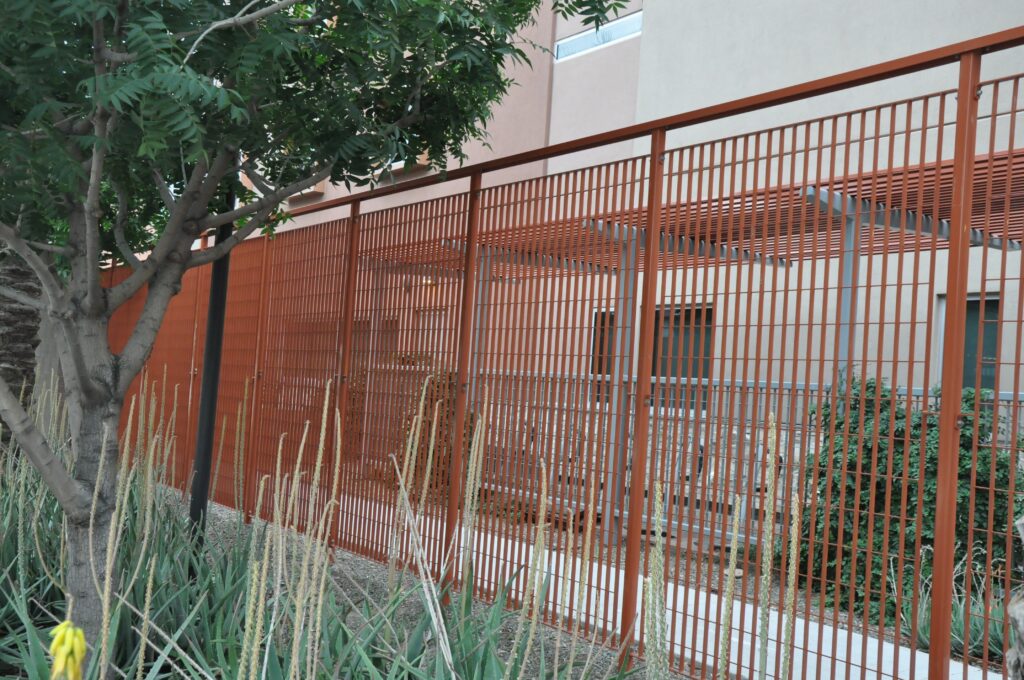
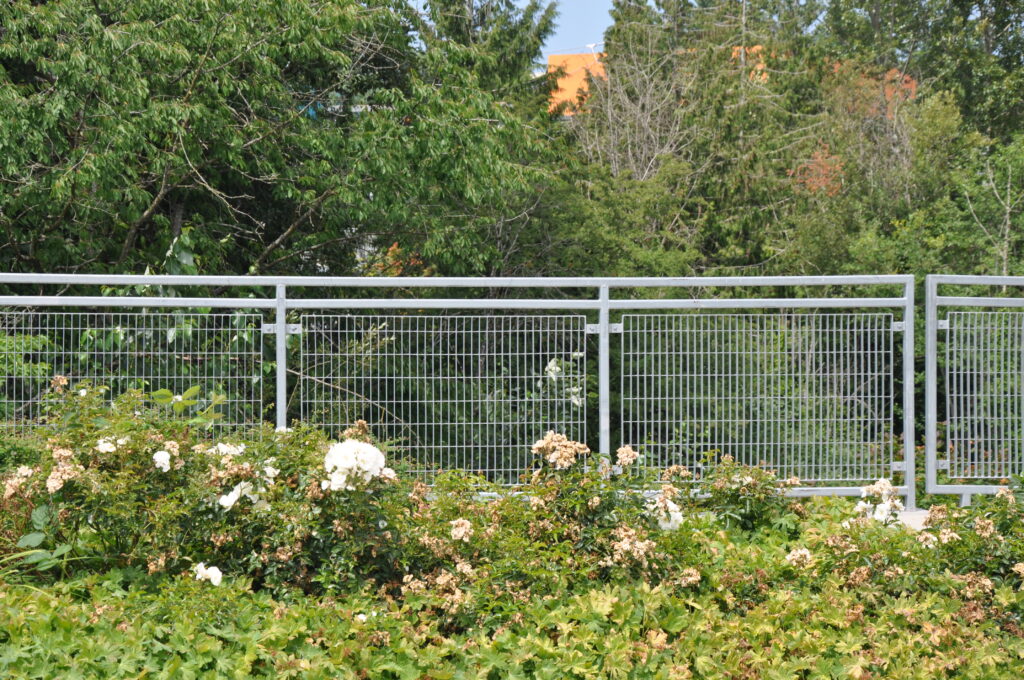
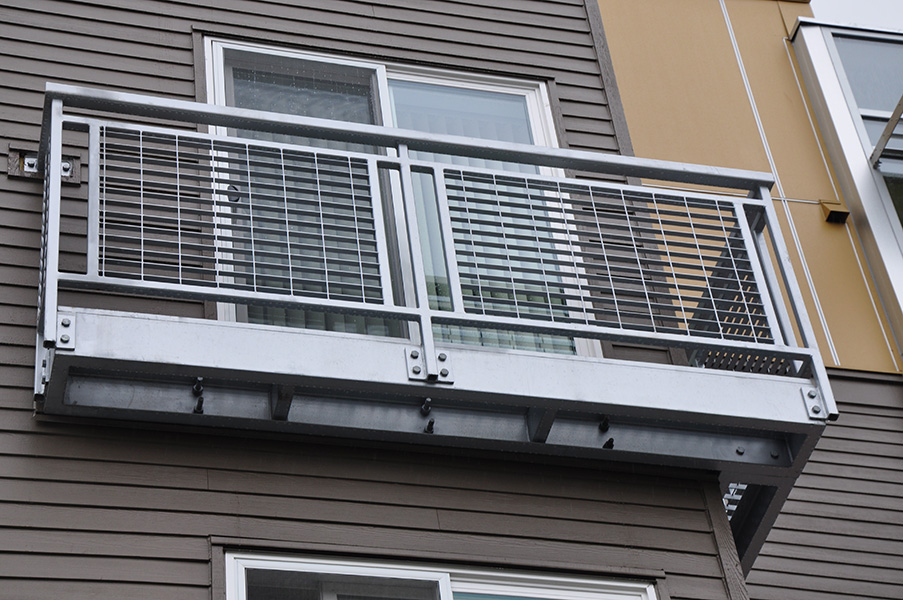
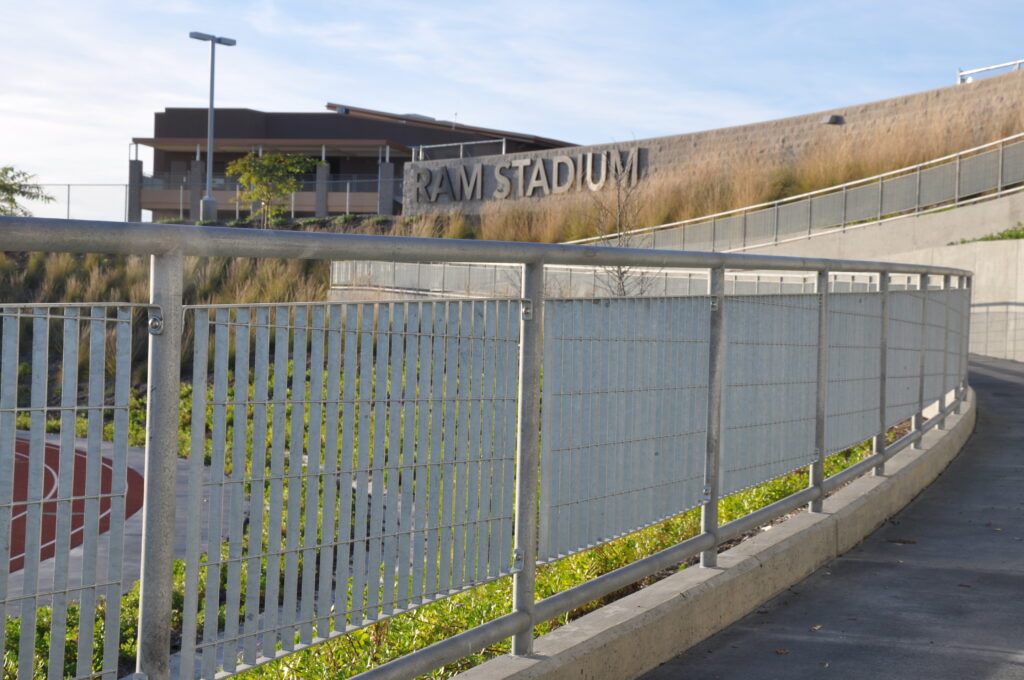
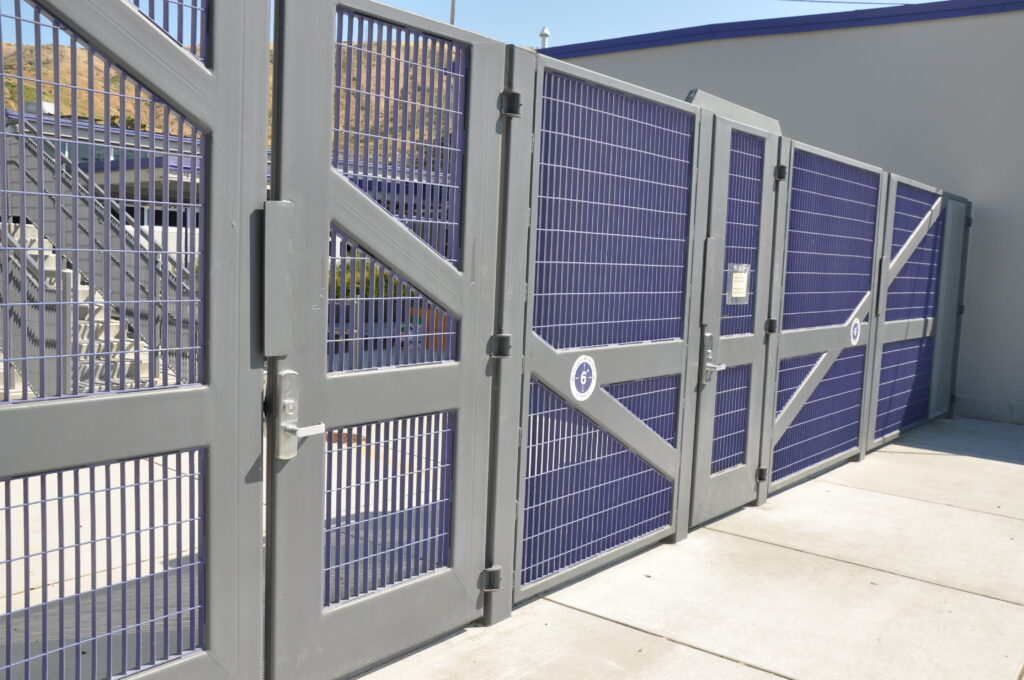
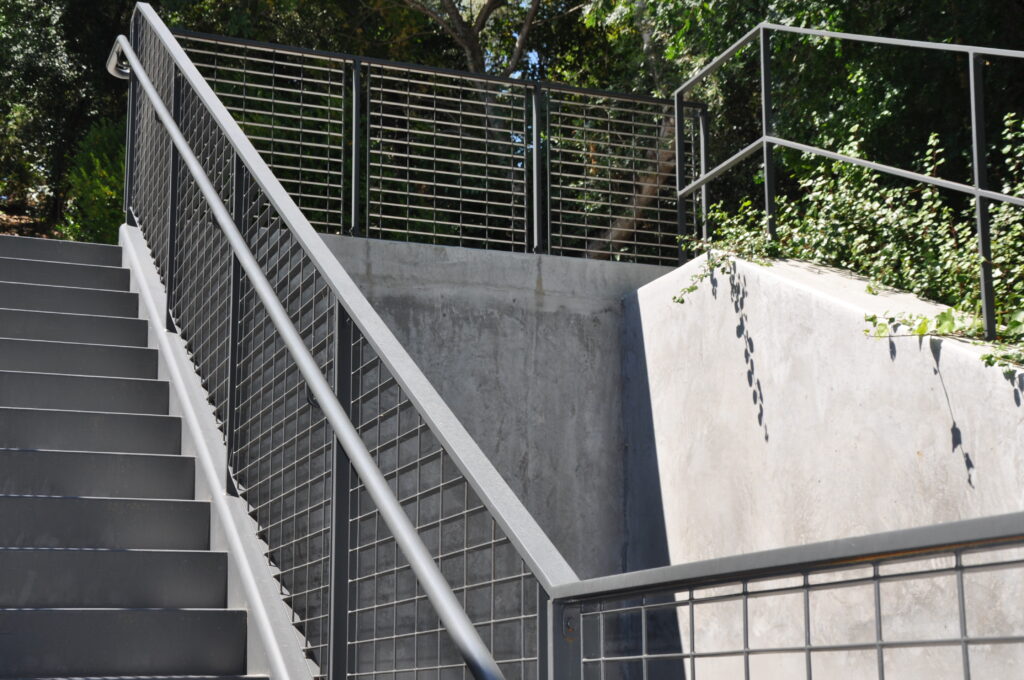
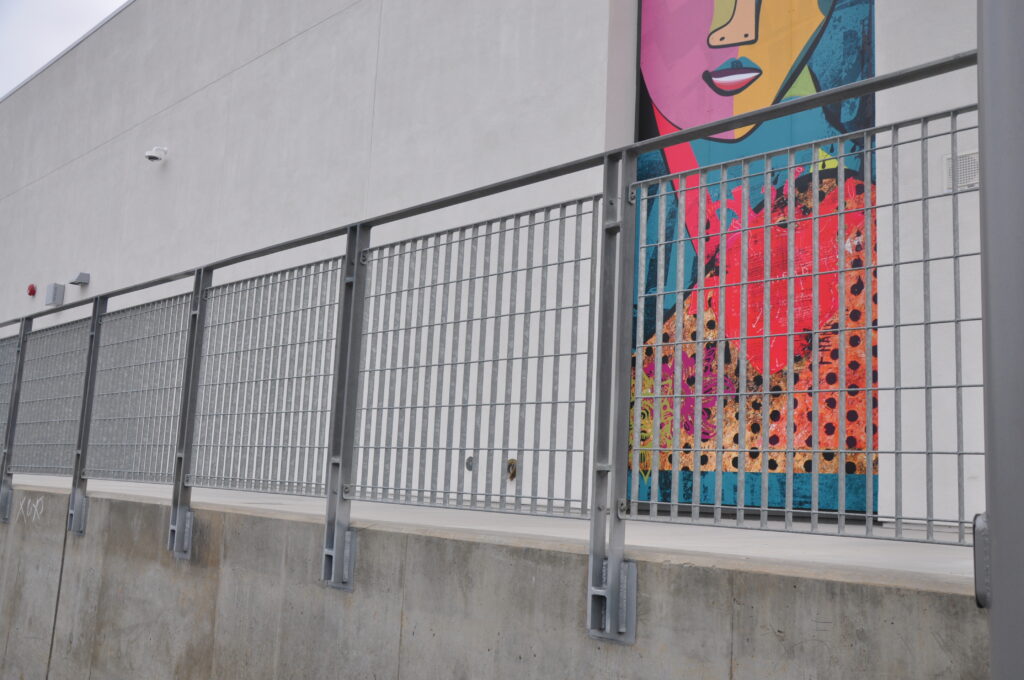
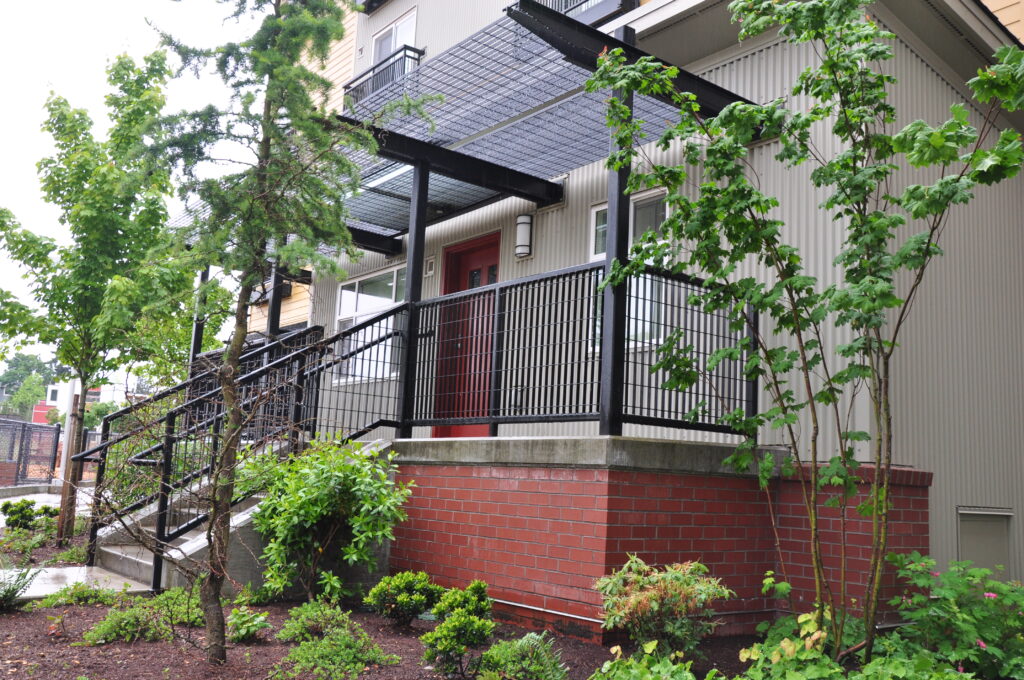
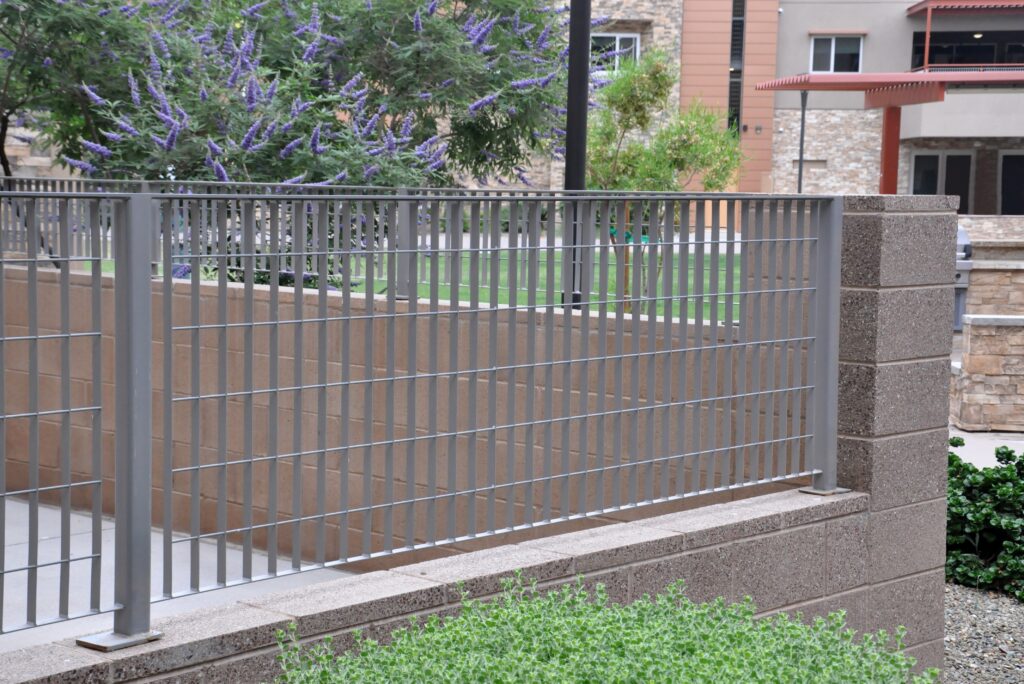
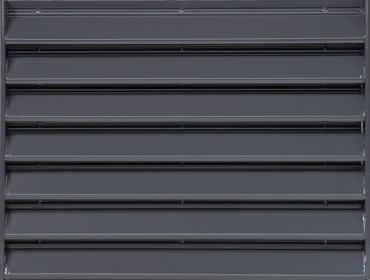
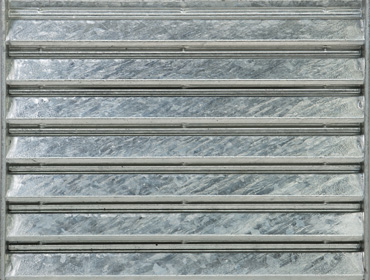
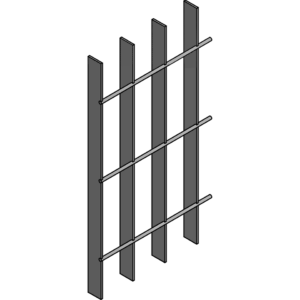
Coda Architectural products can be customized with an array of options to enhance the design appeal of most applications.
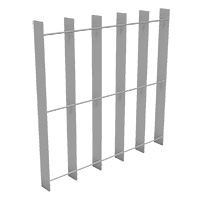
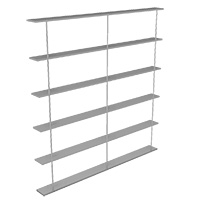
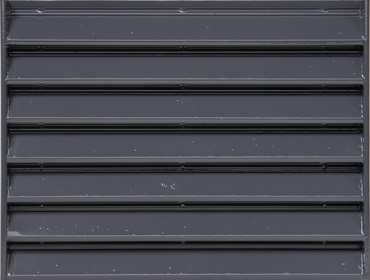
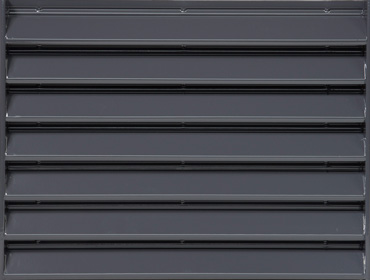
All Opus panels can be oriented vertically or horizontally allowing different architectural impact.


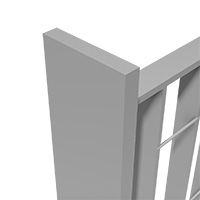
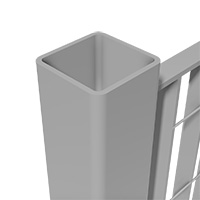
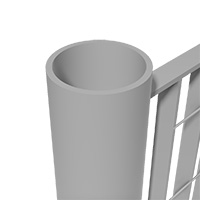
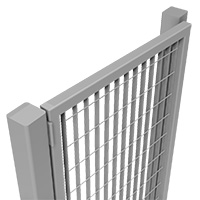
A wide variety of posts can be used to support fencing and infill applications. Below are our most popular options.


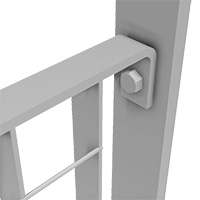
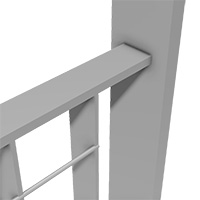
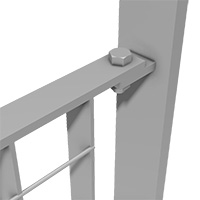
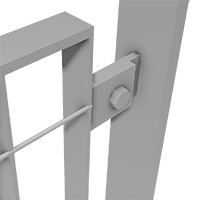
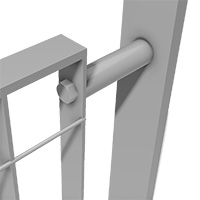
Standard connection types may be used with Opus10 through Opus60 products. Popular connections are illustrated here.


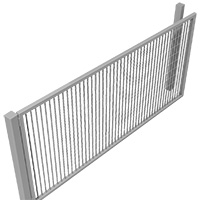
Gates are custom designed and fabricated to meet your dimension and hardware requirements.


RAL 9003
RAL 1013
RAL 7032
RAL 1019
RAL 6013
RAL 602
RAL 7006
RAL 3009
RAL 1011
RAL 8023
RAL 8007
RAL 5023
RAL 7040
RAL 7039
RAL 9005
Selection of the proper complementary color for architectural accents increases the overall appeal of any project. The colors shown have been selected to illustrate current, contemporary color schemes but represent only a small range of available colors.
“Galvanized-Powder” is frequently specified for applications where excellent corrosion resistance and the application of color are required.
“Zinc-Powder” finish provides very good corrosion resistance and also provides for the application of color.
“Powder-Powder” finish is an architectural coating that provides a distinct finished appearance and a moderate level of corrosion resistance.
“Galvanized” panels provide substantial corrosion resistance for grille work exposed to atmospheric conditions.
Galvanizing provides a zinc coating to the surface of materials to offer corrosion resistance. Once the panel is manufactured, the material is then top coated with a polyester powder coat in the above RAL color selections.
The powder coating provides desired color and additional layers of corrosion resistance.
During this process, the base material is cleaned by abrasive blasting, sprayed with molten zinc-aluminum, and coated with an epoxy powder primer. The material is then top coated with a polyester powder coat in any RAL color. The thorough surface preparation and application of zinc-aluminum create a galvanic action that penetrates the surface of the metal and impedes rusting even if the powder and zinc surfaces are compromised.
The powder coating provides desired color and additional layers of corrosion resistance. This finish is recommended for outdoor applications and is considered particularly effective near coastal waters.
During this process, the base material is cleaned by abrasive blasting, sprayed with molten zinc-aluminum, and coated with an epoxy powder primer. The material is then top coated with a polyester powder coat in any RAL color. The thorough surface preparation and application of zinc-aluminum create a galvanic action that penetrates the surface of the metal and impedes rusting even if the powder and zinc surfaces are compromised.
The powder coating provides desired color and additional layers of corrosion resistance. This finish is recommended for outdoor applications and is considered particularly effective near coastal waters.
During this process, the base material is cleaned by abrasive blasting, sprayed with molten zinc-aluminum, and coated with an epoxy powder primer. The material is then top coated with a polyester powder coat in any RAL color. The thorough surface preparation and application of zinc-aluminum create a galvanic action that penetrates the surface of the metal and impedes rusting even if the powder and zinc surfaces are compromised.
The powder coating provides desired color and additional layers of corrosion resistance. This finish is recommended for outdoor applications and is considered particularly effective near coastal waters.
During this process, the base material is cleaned by abrasive blasting, sprayed with molten zinc-aluminum, and coated with an epoxy powder primer. The material is then top coated with a polyester powder coat in any RAL color. The thorough surface preparation and application of zinc-aluminum create a galvanic action that penetrates the surface of the metal and impedes rusting even if the powder and zinc surfaces are compromised.
The powder coating provides desired color and additional layers of corrosion resistance. This finish is recommended for outdoor applications and is considered particularly effective near coastal waters.
This finish involves applying one of a wide variety of primer pain coatings applied to the fabricated panels. Typically specified for applications where on-site finish coatings will be applied. It is important to specify primers that are compatible with the finish coat that will be applied.
Commonly specified as an economical finish for outdoor applications, panels receive a 3-5 millimeter coating of zinc in accordance with ASTM A-123 after fabrication. It should be noted that hot dip galvanizing is not considered an architectural coating. Galvanized products may randomly exhibit rough texture on the finished surface, dissimilar color characteristics, and will oxidize when exposed to the elements.
Fabricated panels are first treated by abrasive blasting to provide a clean, uniform surface. A corrosion resistant epoxy prime powder coat is applied and cured by oven-baking. The panel is then coated with a TGIC polyester powder finish coat which provides ultraviolet protection and a smooth surface appearance. The finish coating of 7-10 millimeters overall thickness is an excellent choice for both exterior and interior applications where appearance of the surface must meet demanding architectural standards.
The primary plated finish provides corrosion resistance by coating the fabricated panel with a smooth, 1-2 millimeter protective layer of zinc conforming to ASTM B-633. The panels are then etched to accept a finish application of TGIC polyester powder coating available in the full range of RAL color options. This finish is well suited for interior or inland exterior applications.
Finished panels are hot dip galvanized to provide a 3-5 millimeter coating of zinc per ASTM A-123, and then etched to accept TGIC polyester powder coating available in a variety of RAL colors. This finish is recommend for outdoor applications and is considered particularly effective near coastal waters. It should be noted that the initial galvanized coating randomly exhibits rough texture that may be accentuated by the application of the finish powder coating.
During this process, the base material is cleaned by abrasive blasting, sprayed with molten zinc-aluminum, and coated with an epoxy powder primer. The material is then top coated with a polyester powder coat in any RAL color. The thorough surface preparation and application of zinc-aluminum create a galvanic action that penetrates the surface of the metal and impedes rusting even if the powder and zinc surfaces are compromised.
The powder coating provides desired color and additional layers of corrosion resistance. This finish is recommended for outdoor applications and is considered particularly effective near coastal waters.